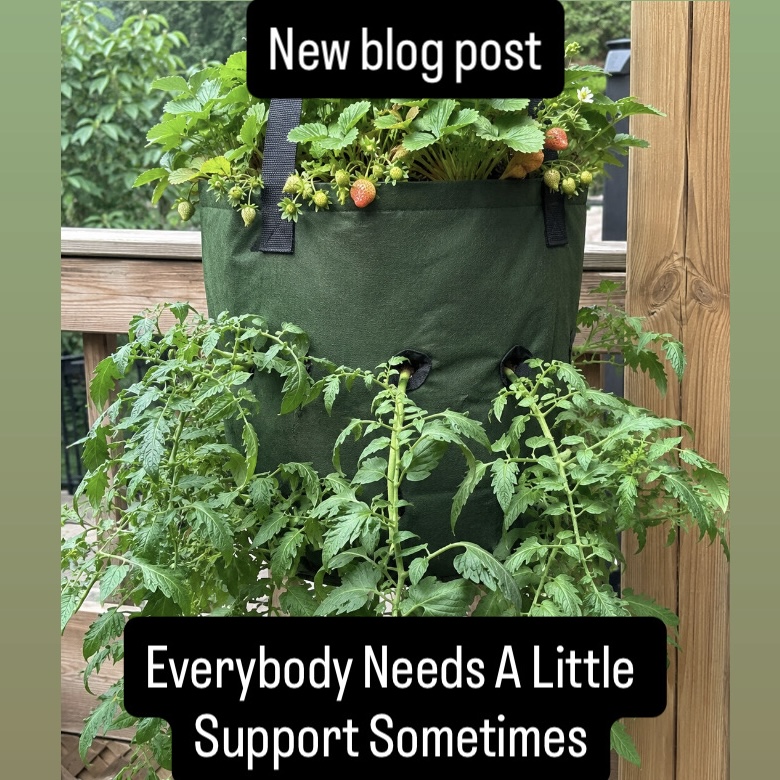
The older I get, the more I respect a good support system. I'm not just talking about a heavy duty bra, a sturdy walking stick or a group of amazing friends. I'm talking about top heavy tomatoes, buxom blossoms and girthy cucumbers and zucchinis. They stretch towards the sun, reaching for the good stuff but, without the proper support, and not longer as perky as they one were, they flop into the soil unable to reach their full potential.
Working in my own garden has taught me some really important lessons about the need for support. Like many things in life, it's not just about appearances. The right supports can have many benefits
Why Plant Support Matters
Supporting your plants in the right way serves many purposes.
Preventing broken stems
Improving sunlight exposure
Better airflow and fewer diseases
If you are growing vegetables or fruit, it also provides:
Cleaner produce
Easier harvesting
Saving space in smaller gardens
Recently I saw a video of a cucumber support that I am longing to try but don't yet have the right space for. The person created a metal (or wood frame) and strung wide netting across it. Then they placed it on an angle, supported by vertical posts. As the cucumbers grew, the heavier fruit would fall between the netting making harvesting significantly easier (and conjuring up some salacious images in one's mind's eye).
What Kinds of Support Can I Offer My Plants?
The Classic Stake
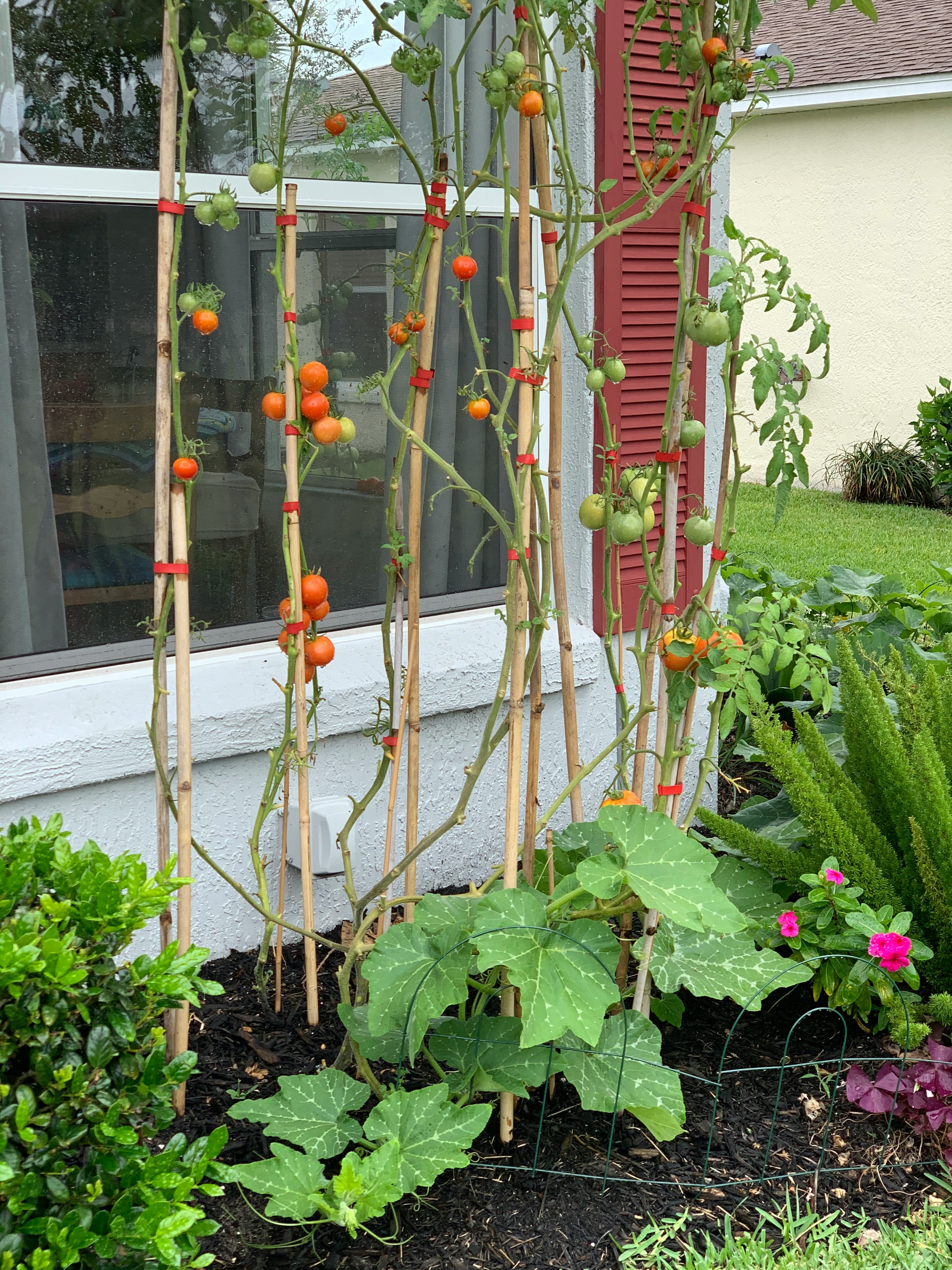
A stake is a great way to support your floppy plants. Stakes can be made of bamboo, wood, or metal. I would also put tomato cages and peony rings in this category.
They are best used for:
Tomatoes
Peppers
Dahlias
Peonies
Young trees
Remember to use soft ties to hold your plants, as to not damage delicate stems. Store-bought plant ties work great, but strips of ribbon, old fabric, pantyhose, or soft twine work just as well. Keep that in mind for future date nights.
Note: No vampires were harmed in the staking of these tomatoes.
Trellises and Fences
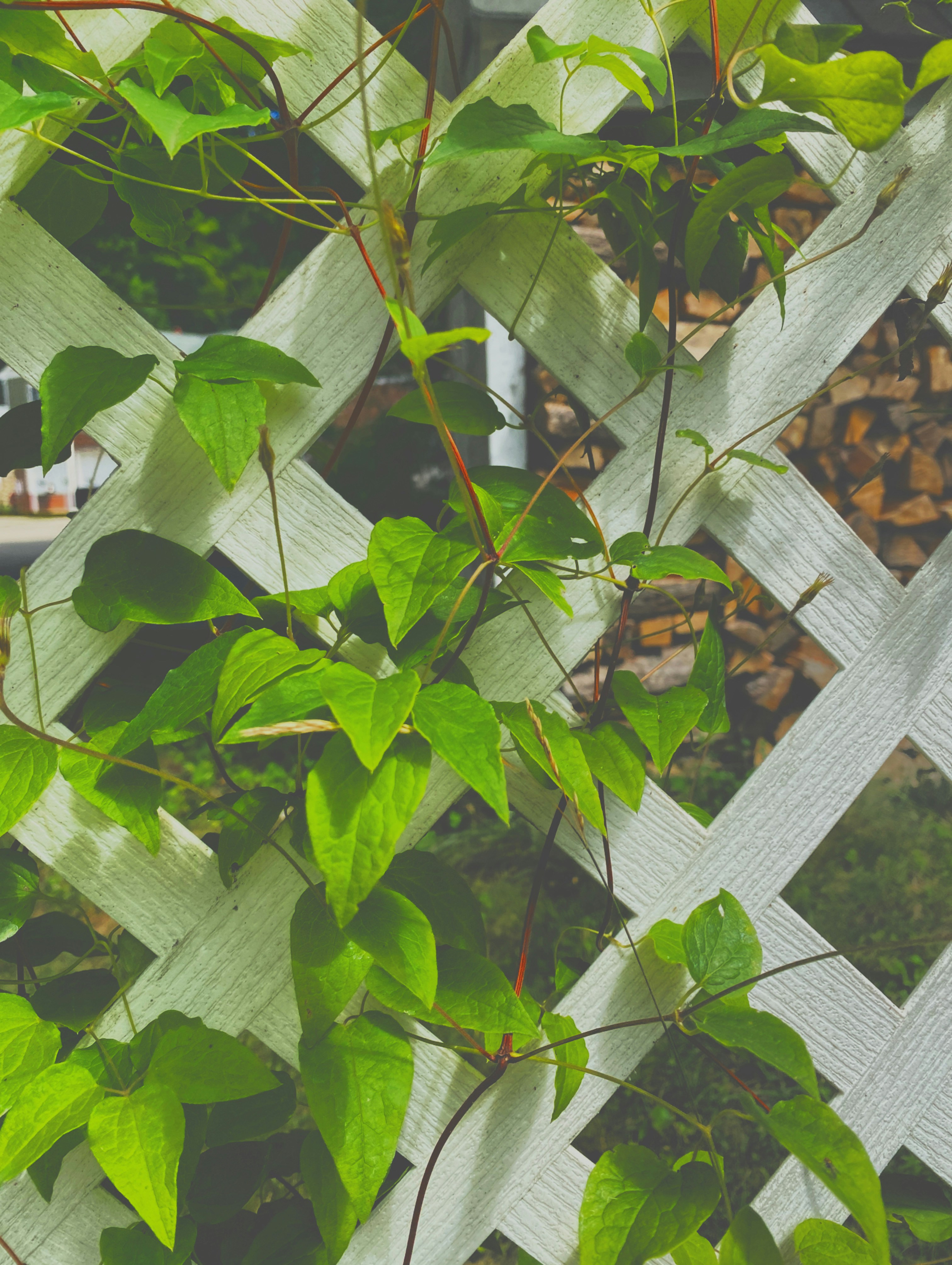
Trellises and fences are another great way to support your plants. This could include:
A-frame trellises
String trellises
Fence growing
Arches and tunnels
You don't have to get fancy though. My mom used to use old hockey sticks or golf clubs with netting strung between them to support her peas, proving that almost anything can become garden infrastructure if you're determined enough.
Trellises help create better airflow, use less space and allow for easier harvesting. Having your produce pinned up can also help reduce pests and diseases. They are best for:
Cucumbers
Beans
Peas
Squash
Melons (with strong supports because some of those girls get HEAVY)
Grow Bags and Buckets
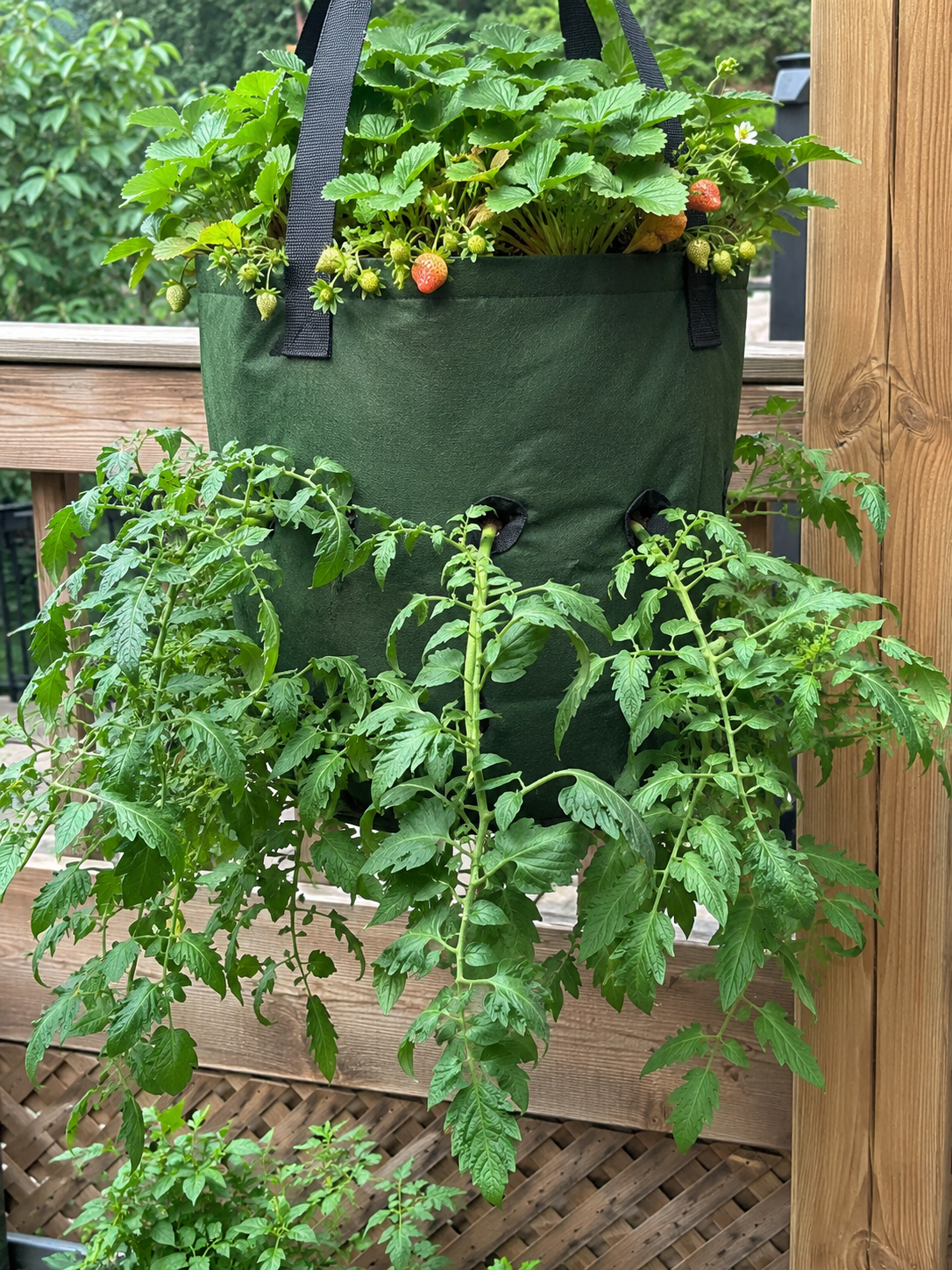
This year I am experimenting with grow bags. My garden space is limited and my tomatoes absolutely took over my garden last season so this was a no brainer. Grow bags keep plants off the soil, which increases airflow and limits diseases. You can also grow more than one plant in the same bag, depending on bag size and root depth.
This year I am experimenting with tomatoes on the bottom and strawberries on top. This could either be incredibly efficient or completely unhinged. Time will tell.
The one downside is that they lose moisture quickly and need to be watered frequently.
While I have never tried to grow in a bucket before, I have heard great things about Home Depot buckets or large plastic garbage cans being used to grow potatoes. Apparently potatoes are far less judgmental about their living arrangements than most plants.
Natural Support Systems
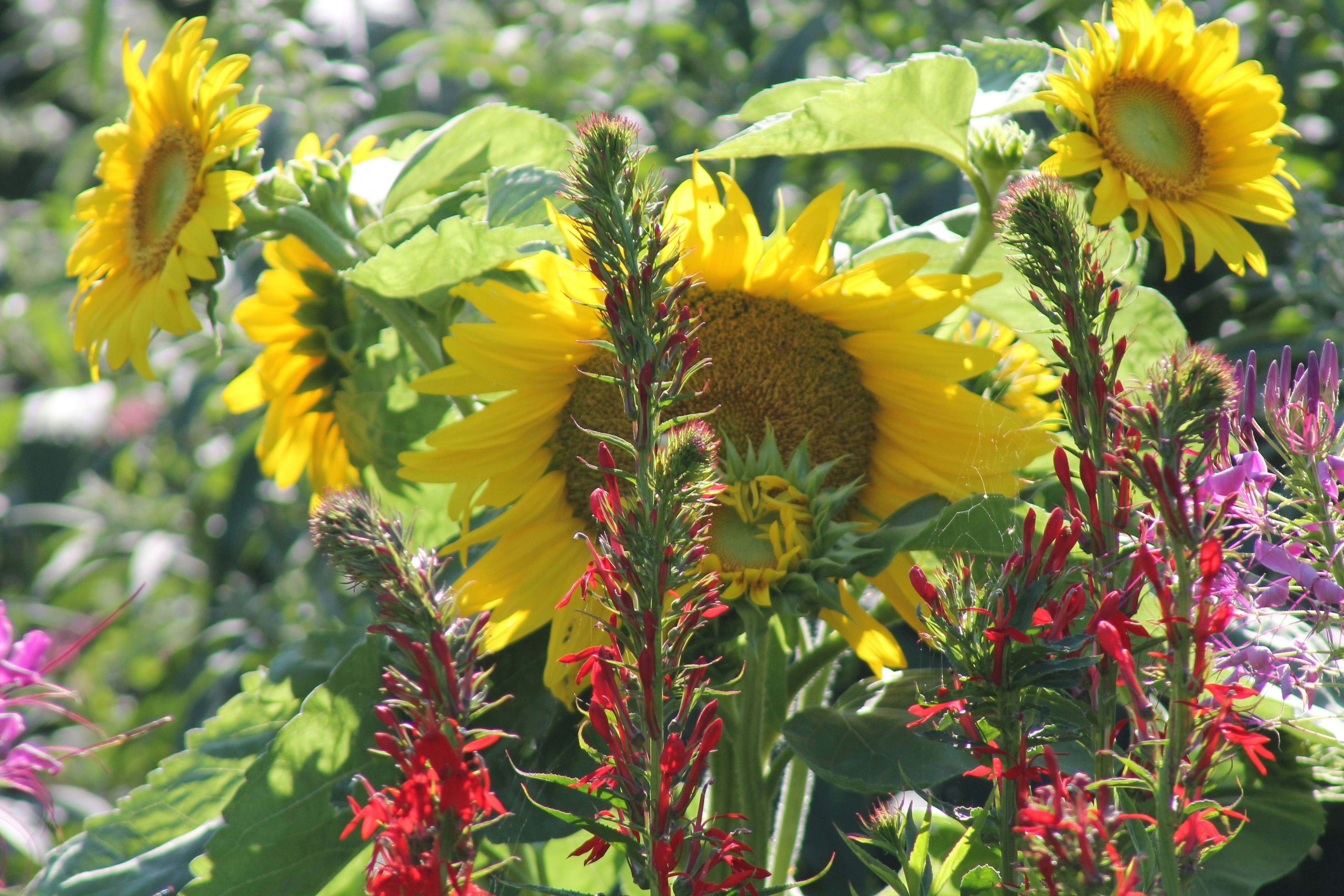
Sometimes the best supports are the natural ones. Sunflowers, corn and other tall growing plants can be great supports for their floppy garden neighbours. This is a form of companion planting and can create a healthier, more balanced garden ecosystem. It's basically the plant version of having one really tall friend in the group...that you lean on constantly?
And not every plant needs support. Some will do just fine on their own, hanging exactly where nature intended, unbothered and, let's be honest, structurally blessed.
Timing Is Everything
As we all know, we often only think of supporting our plants when it's too late. I know I fell victim to that last season when I returned from Ireland at the end of July and my tomatoes were out of control. I had to find a solution in the moment, which turned out to be tying strings around the top branches and stretching them to the top supports of my pergola as a last minute rescue mission. By August, my backyard looked less like a vegetable garden and more like I had gotten some sort of strange lingerie for my overly voluptuous vegetables.
Providing your plant with supports early has many benefits including:
Avoiding root damage later
Staying ahead of rapid summer growth
Increasing yields
Healthy growth often depends on good support. Even simple supports can dramatically improve a garden. In the end, gardening teaches us the importance of patience, adaptation, and knowing when something needs a little help.
After all, everyone needs a little support sometimes.
Photos in this article were taken by Unsplash.com. Credit to Paula Hackathorn, Nicholas Sorrenti, Marie Z. Information was sourced from a wide variety of online resources. Please ask, should you wish to see a full list.