Written by Heather Morren
Edmonton always has surprises up its sleeves when it comes to weather, but this spring was especially memorable. Getting 20+ centimeters of snow at the end of April is a huge feat to pull off, even for the Alberta plains.
Hopefully, that sudden change did not discourage you. Late snow or not, spring IS coming.
You may recall my March 2024 article Beginners Guide to Starting Your Gardening Season (link) which covered what and when to plant outdoors. While a great read, today’s article, however, will focus on the next steps: how to transition your seedlings outside successfully.
What Plants Should I Start Indoors (and When)?
To make the most of our very short growing season, it’s worth starting certain plants indoors, if you have the space. Here’s a simple breakdown of what to plant indoors and when:
Time Frame | Plants |
Early-mid March | Onions, leeks, celery These crops take a long time to mature. They can handle cooler conditions later, but they need an early start indoors. |
Mid-late March | Peppers and eggplant These plants are heat lovers and notoriously slow to get going. Starting late means poor yields. (I experienced this with my peppers last year) |
Early-mid April | Tomatoes, broccoli, cauliflower, cabbage |
Mid-late April | Cucumbers, zucchini, summer squash, pumpkins, melons These plants grow fast and can become root-bound or stressed if started too early. |
Early May | Herbs and annual flowers These don’t need much indoor time and prefer warmer conditions. |
Some vegetables are best directly seeded outdoors and generally shouldn’t be started inside. These include:
Carrots
Radishes
Spinach
Peas
Beans
They germinate quickly in cool soil and don’t respond well to transplanting.
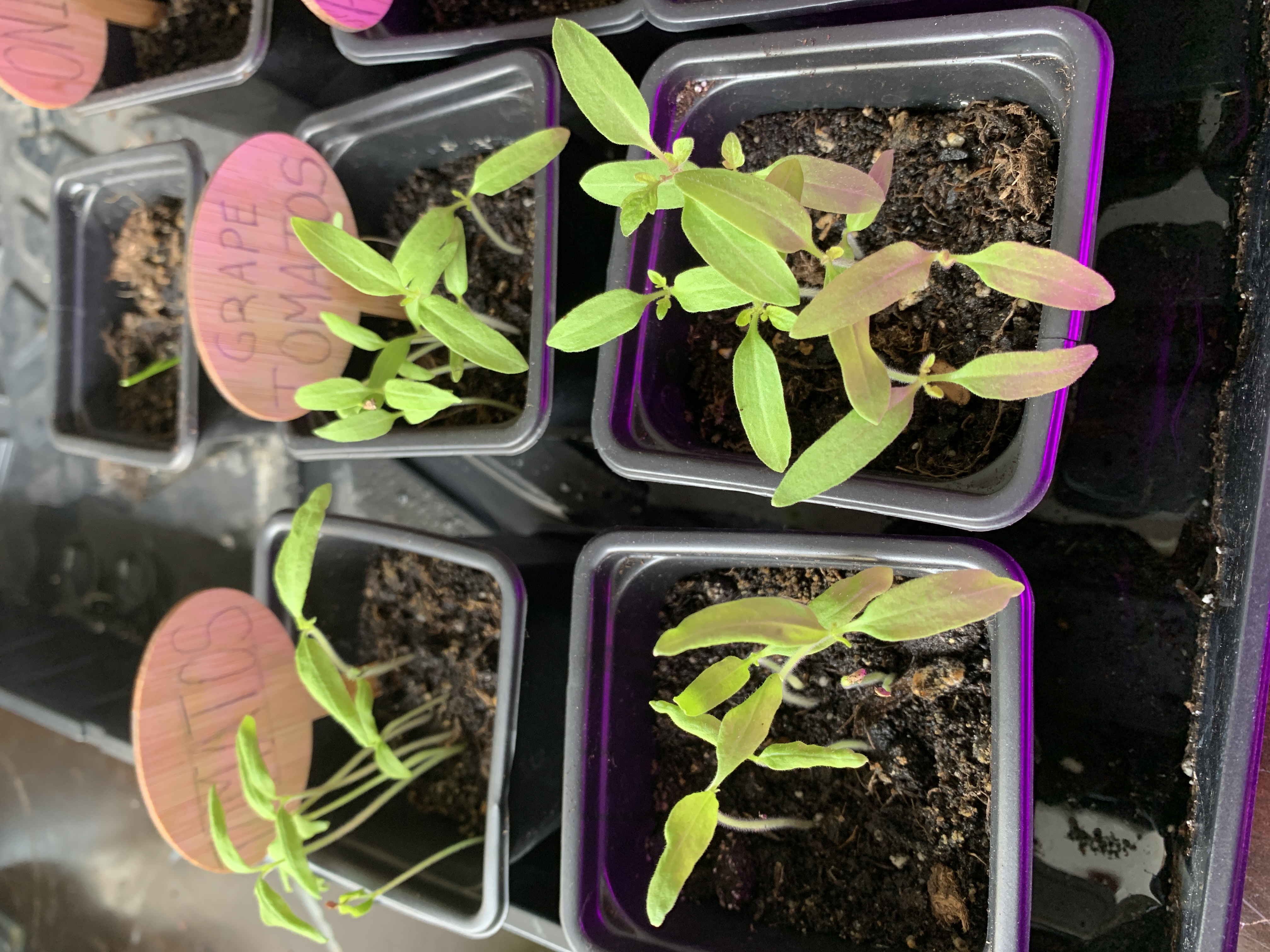
Tomatoes sprouting in early April
When Do I Move My Seedlings Outside?
The biggest challenge with indoor seedlings is determining an appropriate time to bring your plants outside. As we’ve seen, Edmonton is notorious for giving us a couple, if not all four, seasons in the same day. Checking the forecast regularly will be essential if you want your plants to survive.
The general rule of thumb for bringing your seedlings outdoors is:
Start hardening off about 1–2 weeks before transplanting
Ensure night temperatures are consistently above 7–10°C
Hardening Off
What, you may ask, is hardening off? It is the process of gradually introducing indoor-grown seedlings to outdoor conditions, such as direct sunlight, wind, and temperature fluctuations, over 7–10 days before final transplanting.
Here’s a basic guide on how to do it:
Days 1–2: 1–2 hours outdoors with full shade and sheltered from wind
Days 3–4: 2–4 hours with partial sun
Days 5–6: 4–6 hours with some direct sun
Day 7+: full days outside with light wind exposure
Final step: leave out overnight only if temps are safe
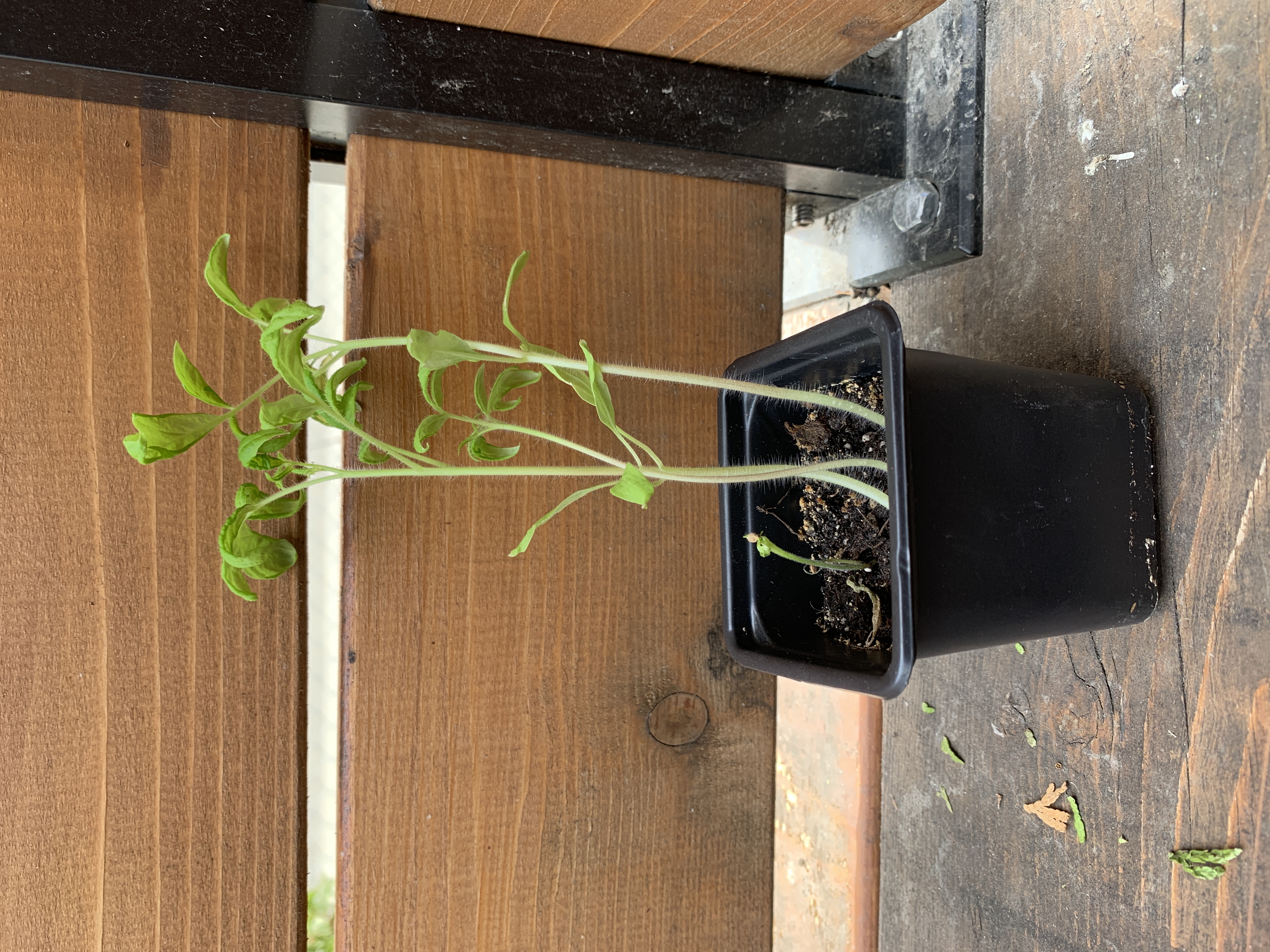
A tomato plant on its first day of hardening off, spending 1-2 hours in full shade and protected by a fence.
A couple extra things to consider:
Use wind protection for those first few days. This could be anything from fences, walls, patio furniture, bins or your kid’s toys.
Take advantage of microclimates:
North facing = shade most of the day.
East and West = partial shade
South-facing = most direct sun (and warmth).
Keep frost protection (store bought row covers or just an old sheet) handy for when temperature unexpectedly drop
Don’t be fooled by warm afternoons. Nights are what kill plants. Keep your eye on the forecast!
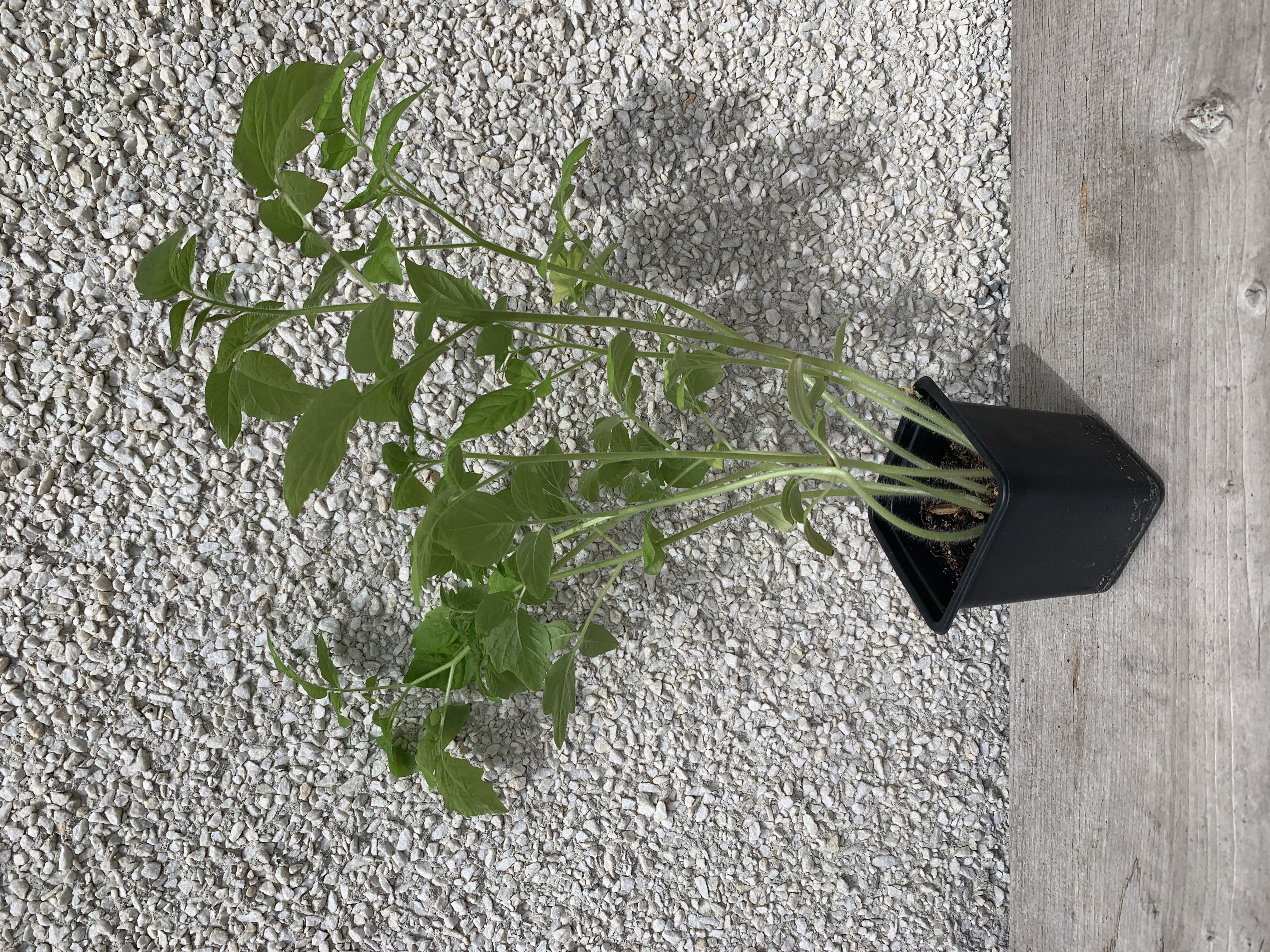
A tomato plant on its last day of hardening off, spending entire days in full sun with no wind protection.
Transplanting Without Shock
Here are a couple final tips to help your seedlings live their best lives:
Plant on a cloudy day or evening to avoid extra stress from sun exposure
Water before and after transplanting
Disturb roots as little as possible
Be ready to cover plants if temperatures drop
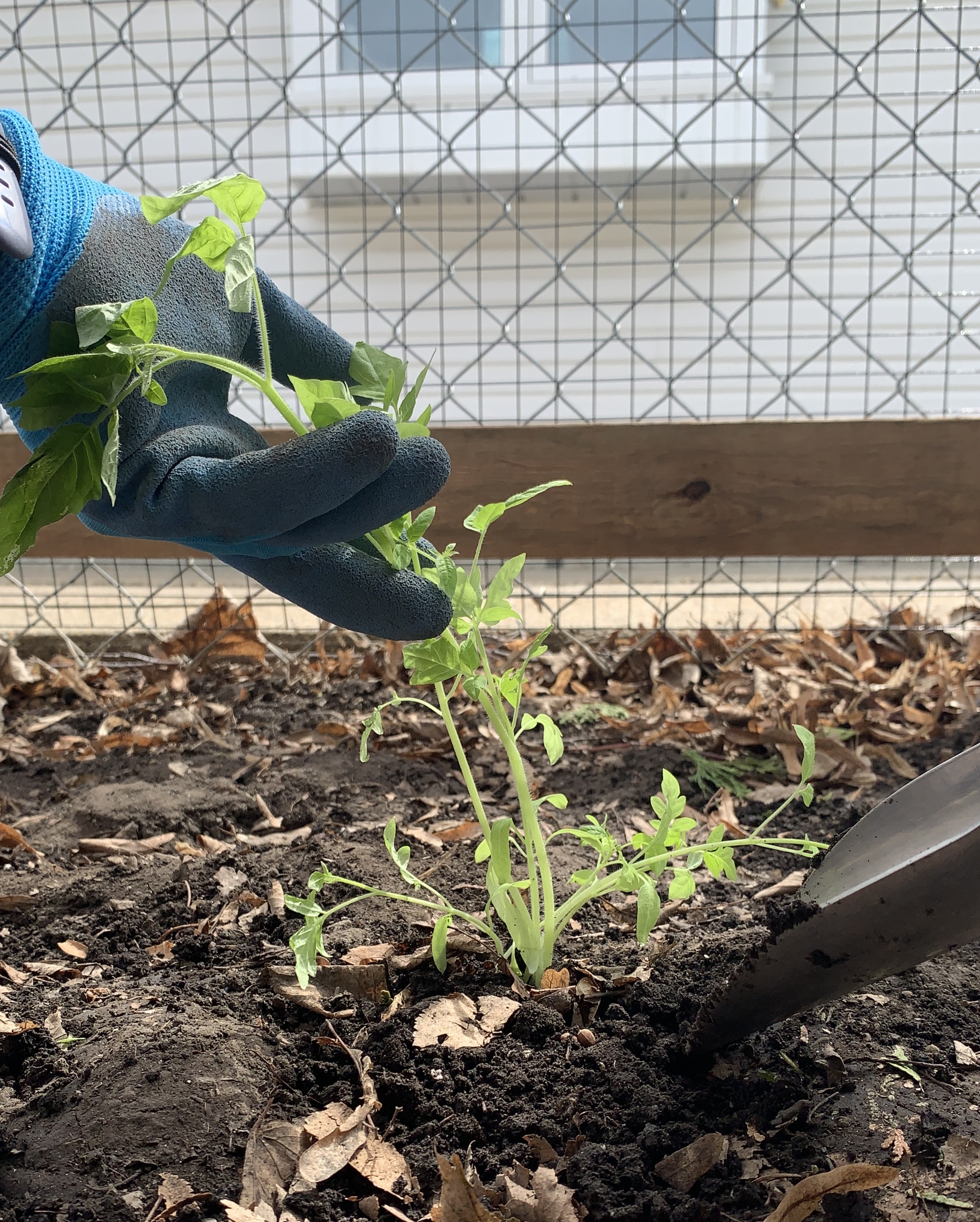
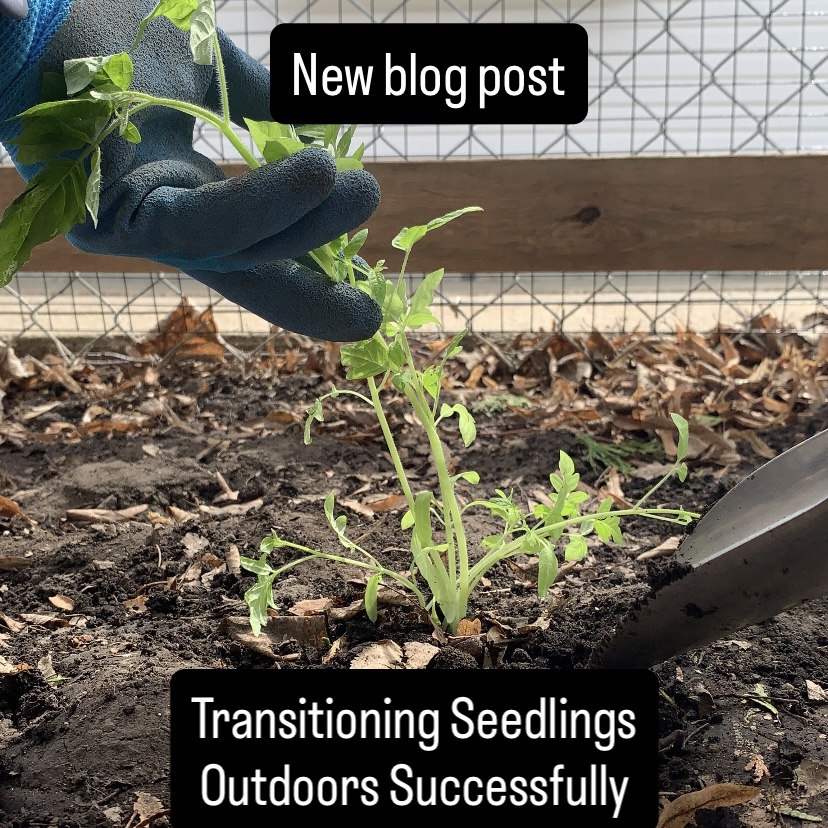
Transplanting a tomato seedling that has been hardened off into the soil
As we finally head into planting season, remember: even with the best care, losing a few plants is completely normal. More importantly, you should pay attention to how your plants respond to transplanting and act accordingly. Lastly, in gardening (and most things in life), patience pays off.
Happy planting!
Photos in this article were taken by Heather Morren. Information was sourced from a wide variety of online resources. Please ask, should you wish to see a full list.