Written by Heather Morren
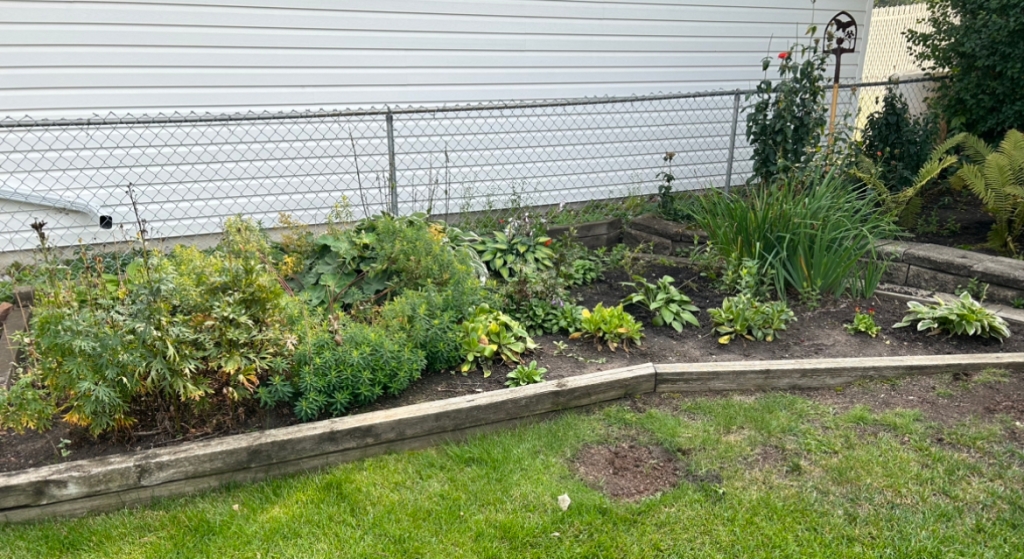
You may or may not know that Canada is separated into 8 climatic zones that are, in turn, used to help horticulturalists decide which flora will thrive in their area.
Edmonton straddles zones 3 and 4, which means the perennials you put into your garden must withstand between -34 and -40C and will either need to be extra hardy or have special care to withstand our extremely cold winters. Just take a quick stroll around your neighborhood and you will find plenty of beautiful foliage that pops up year to year with little to no help from us gardeners. We will explore a handful of those amazing plants in more depth here.
To Cut or Not to Cut?
An age old question dating back to Shakespearian times – just kidding. I can’t imagine Shakespeare, nor his contemporaries, gave two hoots about their perennial gardens but you, the reader, – and gardener – clearly do.
Why Cut?
Perennials can be cut back at varying times throughout the year and will yield different results depending on when you do so. But why do people cut back their perennials at all?
- Fall – getting rid of dead growth cleans up your yard for the winter
- Spring – plants that are cut back can come back fuller and more beautiful than before
- Summer – cutting of spent blossoms can improve the appearance of the plant, extend the plants growth period and even encourage a second bloom
Why Not Cut?
Just like there are two sides to every coin, the cut or not to cut argument also has valid reasoning for not cutting back your perennials
- Winter – plants cut back too far or that are not as hardy may die over the winter
- Winter – insects, birds, and rodents often use dead growth as a place to overwinter themselves
- Spring – waiting too long to cut back plants may leave you without flowers for that season
Whatever the reason, the choice to cut back your perennials or not is entirely yours. If you chose to, the following chart should help you decide which zone ¾ perennials to cut back and when.
| Perennial Plant | When to Cut It? | Why Should You Cut It? |
Day/Tiger Lily  | Summer Fall | Cut off dead blooms as they occur. Cut back dead foliage in the late fall to allow the bulbs to store energy over the winter. Cover with mulch to further help them |
Fiddlehead Ferns  | Fall or Spring | These bushy fronds will curl up into tightly wound brown crosiers as they die. They can be cut off as they occur in the fall or all at once in the early spring before new growth begins. |
Hollyhocks  | Summer Fall | Cut off hollyhock flowers after they bloom to encourage new growth and more blossoms. Stems can be fully cut back to within inches of the ground in the fall to improve the appearance of your yard over the winter months. |
Hosta  | Fall | Cut back dead growth and flower stems as it occurs. Once the plant is quite dead, cut back all remaining foliage. |
Lady’s Mantle  | Summer Spring | Cut off dead blooms in the summer to keep the plant looking nice and prevent self seeding. Allow leaves to remain over winter to provide the plant with insulation against the cold. Remove dead leaves only in the spring. |
Lavender  | Summer Spring | Flowers can be removed as they die off (and placed in your home, as their blossoms smell wonderfully for weeks after pruning). Cut back to just above the woody part of each stem in early spring, before it’s had a chance to start forming buds. |
Maltese Cross  | Summer Fall | Cut off dead flowers so the plant can focus its energy on growing new leaves. Stems can be cut back in the fall, as new growth will begin from the base in the spring. |
Monkshood  | Fall | Wait until after the first frost and the leaves have yellowed and died before cutting back. |
Peonies  | Summer Fall | Peony flowers are short lived. It will much improve the appearance of your plant if you remove the blooms as they die. Cut back foliage after the first frost and once the leaves have yellowed. |
Wood Spurge  | Summer Spring | Cut off dead blooms in the summer to help the plant focus on leaf and not seed growth. This plant does not over winter well. Allow it to keep it’s leaves for the winter months and give it a good trim in the spring before new growth begins. |
All photos in this article were taken by Heather Morren. Information was sourced from a wide variety of online resources. Please ask, should you wish to see a full list.
 Heather’s Gardening Service
Leave a comment